- Mark Pyramid
- News
- 0 likes
- 0 comments
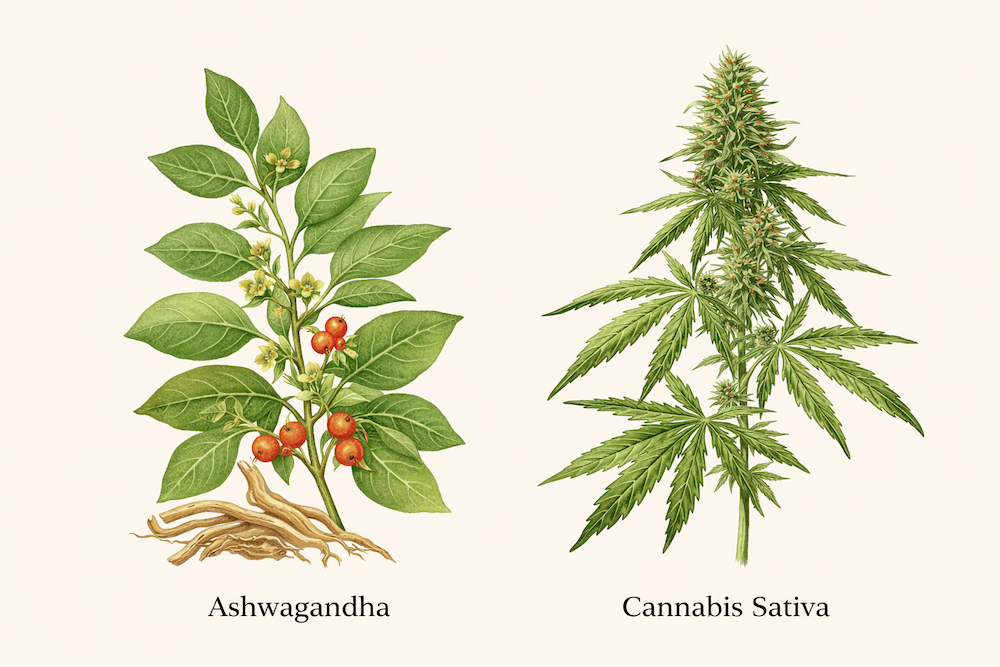
The wellness world is buzzing with a viral question: "Does ashwagandha have weed in it?" While both plants are powerhouses of relaxation, they are worlds apart in DNA. Today, we dissect the botanical truth.
What is Ashwagandha?
Ashwagandha, scientifically known as Withania somnifera, is an ancient herb used in traditional Ayurvedic medicine for centuries. Often called “Indian ginseng” or “winter cherry,” this adaptogenic herb helps the body manage stress and boosts overall well-being. It naturally thrives in the dry, rugged climates of India, the Middle East, and parts of Africa. Unlike cannabis, ashwagandha does not contain THC or CBD, which drive the psychoactive effects in marijuana.
Recommended Genetics for Natural Relaxation
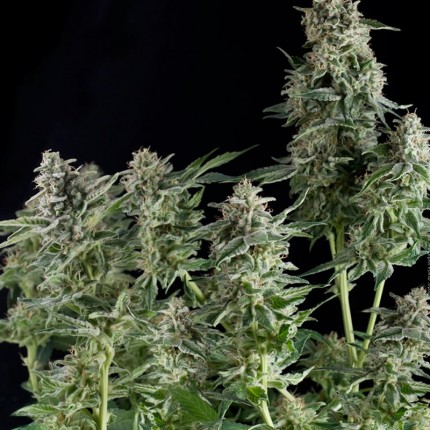
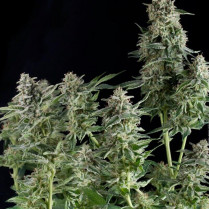
Northern Lights
THC: 22% | Pure Indica. Known for deep physical calm and sedative effects.
View Strain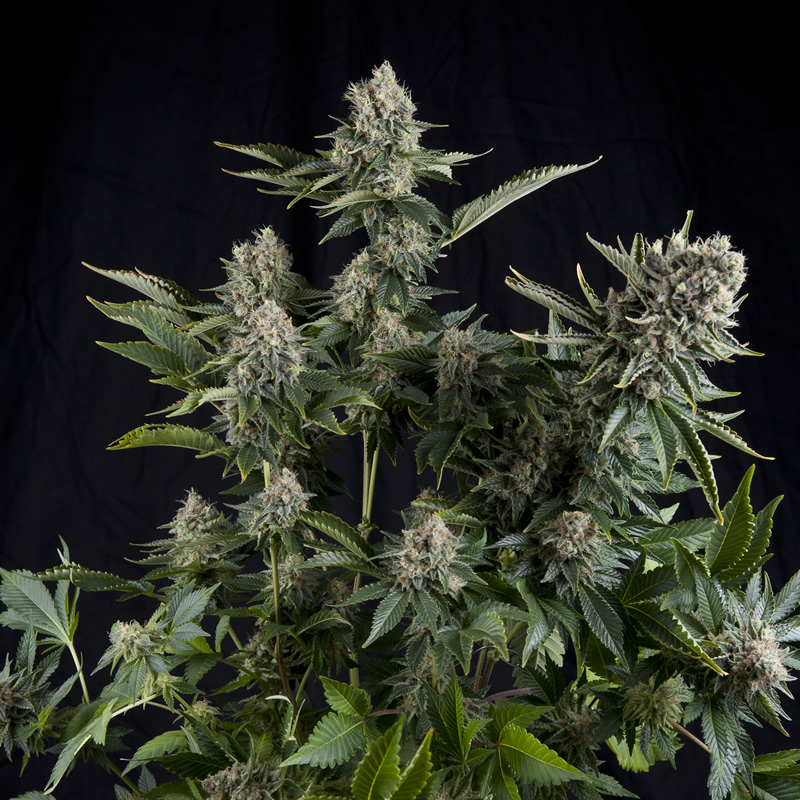
Myths and Misconceptions: Debunking Common Claims
Many myths and misconceptions surround ashwagandha, prompting confusion among new users. One prevalent myth claims that ashwagandha possesses psychoactive effects similar to cannabis. This belief fails to capture the true nature of the herb. Ashwagandha focuses on promoting balance and easing stress rather than inducing euphoria or altering mental state. Some skeptics even ask, “does ashwagandha have weed in it?” when comparing it with marijuana, yet this notion stands refuted by traditional use and scientific findings.
Ashwagandha vs. CBD: The Professional Choice for Calm
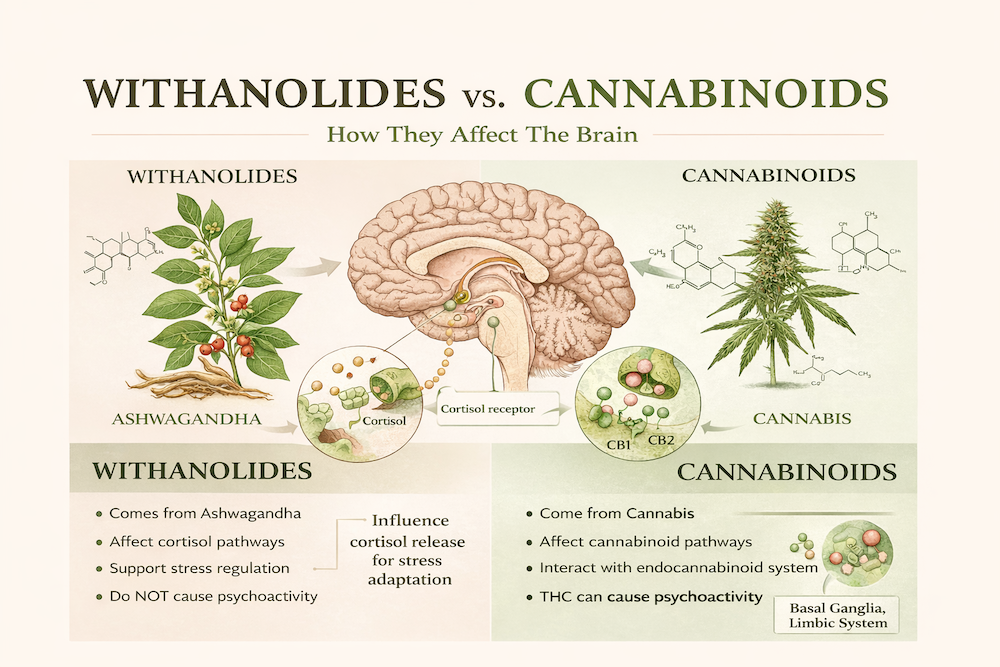
If you are searching for ashwagandha because you want the relaxation of cannabis without the high, you should explore CBD (Cannabidiol). While ashwagandha works on cortisol levels over time, CBD interacts directly with your body's Endocannabinoid System to provide more immediate balance and relief from daily stress.
Unlike standard "weed," CBD-dominant strains are specifically bred to contain high levels of therapeutic CBD and almost no THC. This makes them the perfect middle ground for those who appreciate botanical science but require a non-psychoactive experience.
Evidence-Based Clarifications
To clear up the confusion between ashwagandha and cannabis, users must rely on scientific proof. Multiple studies show that ashwagandha does not include any cannabis compounds such as THC or CBD. Its beneficial effects emerge from its distinctive phytochemicals, mainly withanolides. Scientific research validates that ashwagandha supports stress management and physical performance without involving cannabis elements. Clinical studies help users see that the idea “does ashwagandha have weed in it?” remains a botanical misconception.
Science Breakthrough: Cannabis and the "Gym Weed" Hype
While social media often labels ashwagandha as "natural weed for the gym," recent scientific research using the Ecological Momentary Assessment (EMA) method has revealed a surprising link: moderate cannabis use actually correlates with increased physical activity (MVPA). Data suggests that users of certain genetics are more likely to engage in running, aerobics, or intense workouts on days they consume cannabis.
Researchers suggest that cannabis may enhance the enjoyment of physical exertion and aid in recovery, activating the endocannabinoid and dopamine systems to boost motivation.
"I am certain that the potential of cannabis is still far from being fully revealed. We look forward to new discoveries regarding its impact on motivation and physical recovery," says founder of Pyramid Seeds.
Safety, Quality, and Sourcing
When considering ashwagandha supplements, quality and sourcing always come first. Consumers should opt for supplements that third-party labs test rigorously for potency and purity. Reliable brands provide detailed information about their sourcing practices. Different regions maintain various standards for herbal supplements; in many areas, these products skip the rigorous tests reserved for pharmaceuticals, urging consumers to pay close attention to quality. Established regulatory standards clarify that it does not contain cannabis. One must actively review these details and choose reputable brands.
Ultimate FAQ: Ashwagandha and Weed
1. Does ashwagandha contain any cannabis compounds?
2. Will ashwagandha show up on a drug test for marijuana?
3. Can ashwagandha make you feel "high"?
4. Why do people associate ashwagandha with weed?
5. Is there any risk of cross-contamination?

Meet the Expert: Mark Pyramid
Mark is a Senior Geneticist at Pyramid Seeds with over 15 years of experience in cannabis cultivation and botanical research. Specialized in strain innovation and chemical profiles, Mark focuses on bridging the gap between ancient herbal knowledge and modern lab science. His mission is to empower growers and consumers through education, transparency, and high-quality genetics.

Comments (0)
New comment